
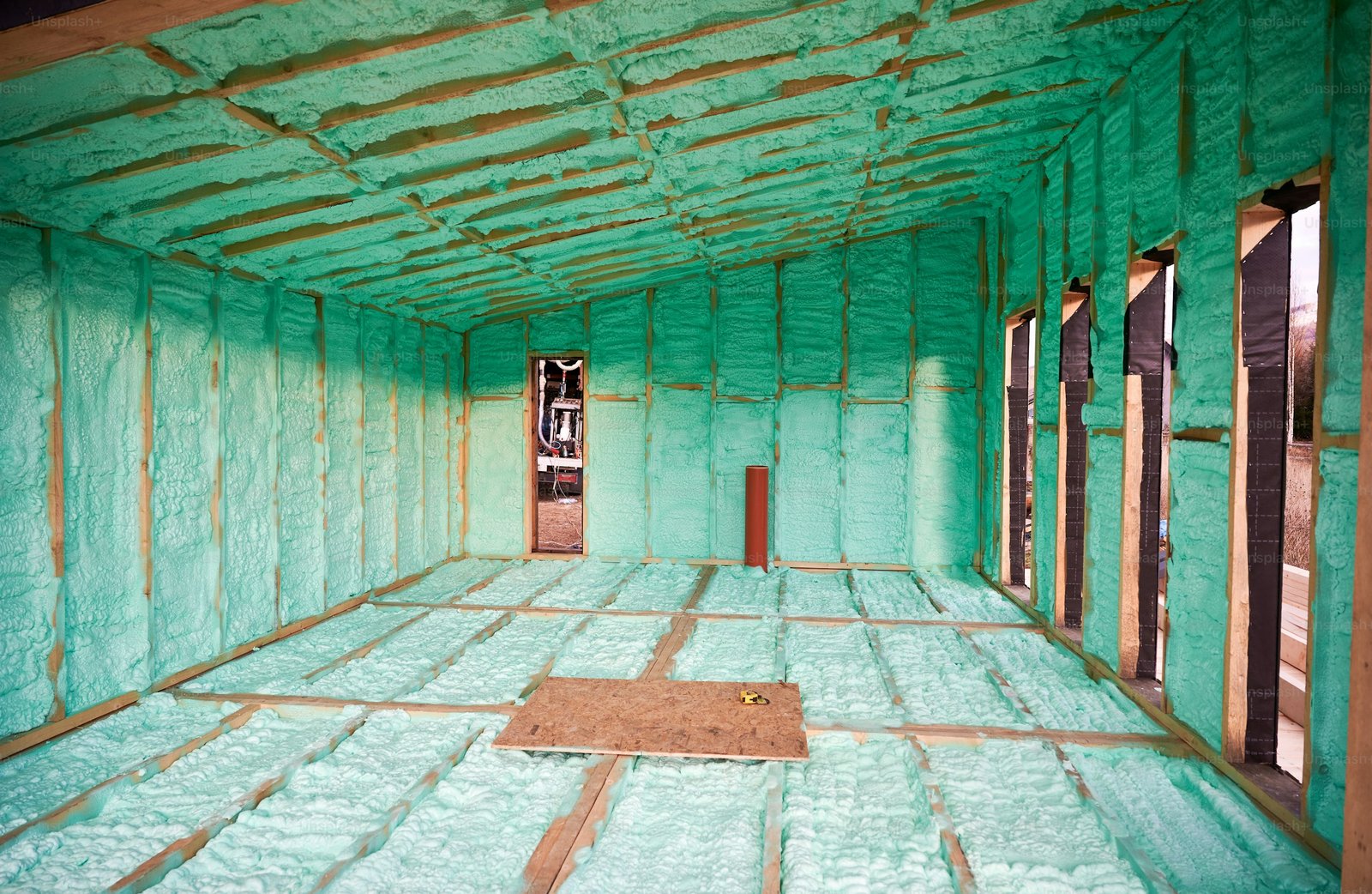
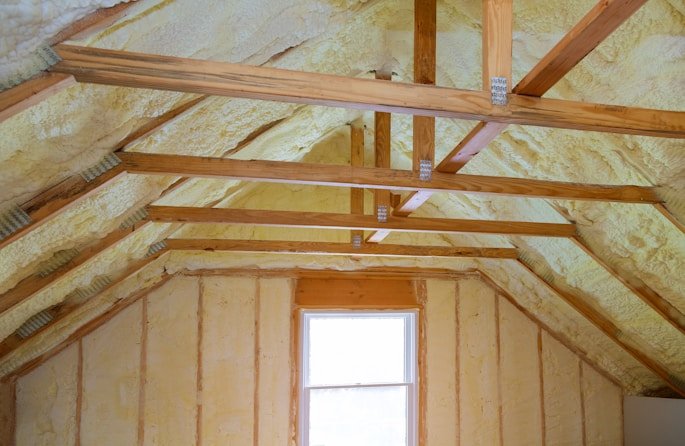
5 Signs Your Home Needs Better Insulation
Uneven room temperatures, high energy bills and drafty walls can all point to the…
Read me...It's easy to think of energy bills purely in terms of the heating and cooling equipment itself — the furnace, the air conditioner, the thermostat settings. But insulation plays a quieter, equally important role: it determines how much of the conditioned air your HVAC system produces actually stays inside your home.
When insulation is thin, aged, or missing in key areas, conditioned air escapes faster than it should, and outside temperatures creep back in. Your HVAC system compensates by running longer and more often to hold the temperature you've set — using more energy to do it.
Improving insulation doesn't change how your HVAC system works, but it changes how hard that system has to work. A well-insulated home holds its temperature longer between cycles, which can translate into lower energy use over time.
If your energy bills feel high relative to your home's size and usage, insulation is one of the more overlooked places to check before assuming it's an equipment problem.
Uneven room temperatures, high energy bills and drafty walls can all point to the…
Read me...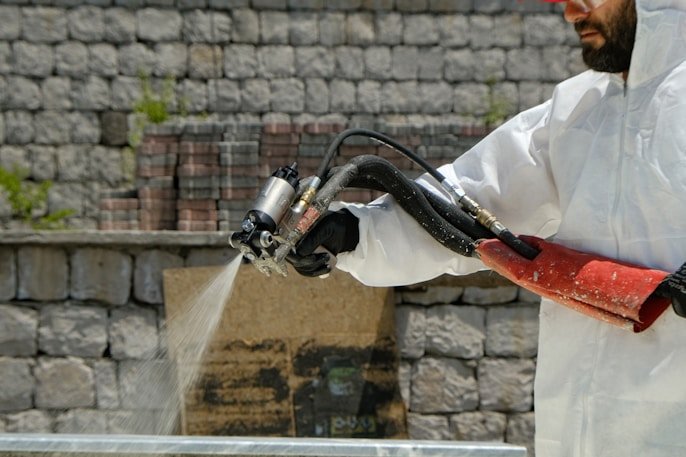
The attic is one of the most common places homes lose comfort and energy.…
Read me...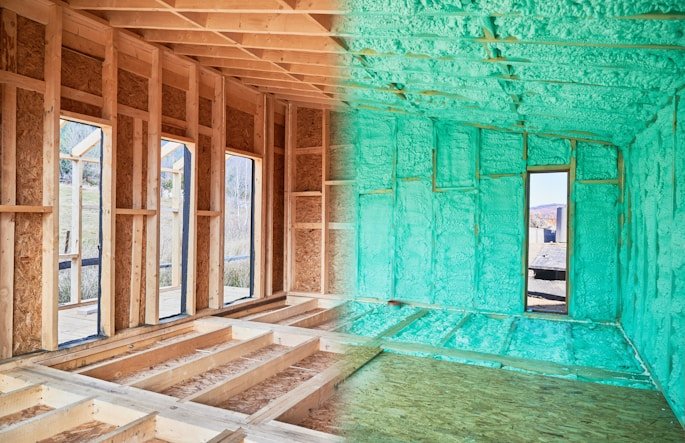
Two common insulation types, two different jobs. Here's how they compare and where each…
Read me...